Dry Eyes: Frequently Asked Questions
Dry eyes are common, and the burning, grittiness and blur can be worrying when they do not go away. This page answers the questions people ask most, using guidance from eye health organizations and a large clinical trial on omega-3. It is general information, not a diagnosis.
- Dry eyes happen when tears do not lubricate the eye well enough, and age, medications, hormones and screen habits can all contribute.
- Artificial tears are a common first step, and prescription options exist for more persistent cases.
- In the large DREAM trial, omega-3 supplements did not beat a placebo for dry eye disease.
- Screen breaks and conscious blinking are low-risk habits worth trying.
- Ongoing symptoms call for an eye exam, not guesswork.
When to see an eye doctor
Symptoms that last, keep returning or get worse deserve an exam. Several eye conditions can look like dry eyes, and only an eye doctor can tell them apart and choose the right care[1].
See a doctor promptly for severe pain, sudden vision changes or marked redness. Do not rely on a supplement to handle symptoms like these.
Keep reading
For the bigger picture, see our guide to eye health. Each answer below is short by design, so use the questions to find what matters to you.
Eye supplements we have reviewed
Want to compare products? Read what the research says about nutrients for dry eyes first, then compare the products below.
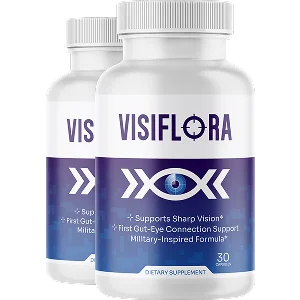
VisiFlora
Listed ingredients: Astaxanthin, Vitamin C, Vitamin E, Copper, Selenium, Chromium

TheyaVue
Listed ingredients: Lutein, Zeaxanthin, Vitamin C, Calcium, Vitamin E, Bilberry Extract
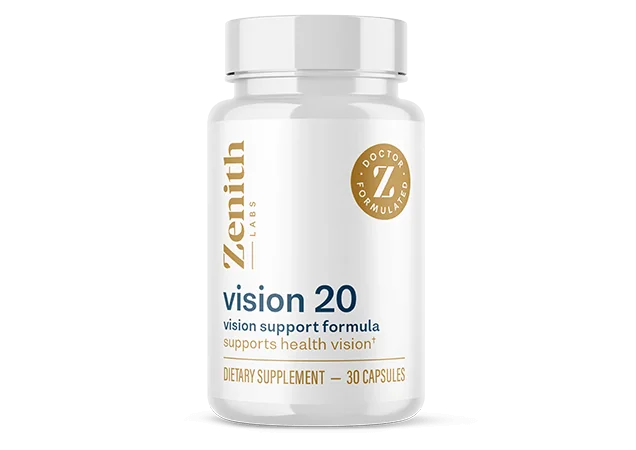
Vision 20
Listed ingredients: Lutein, Zeaxanthin, Zinc, Beta-carotene, Lycopene, Rose Hips
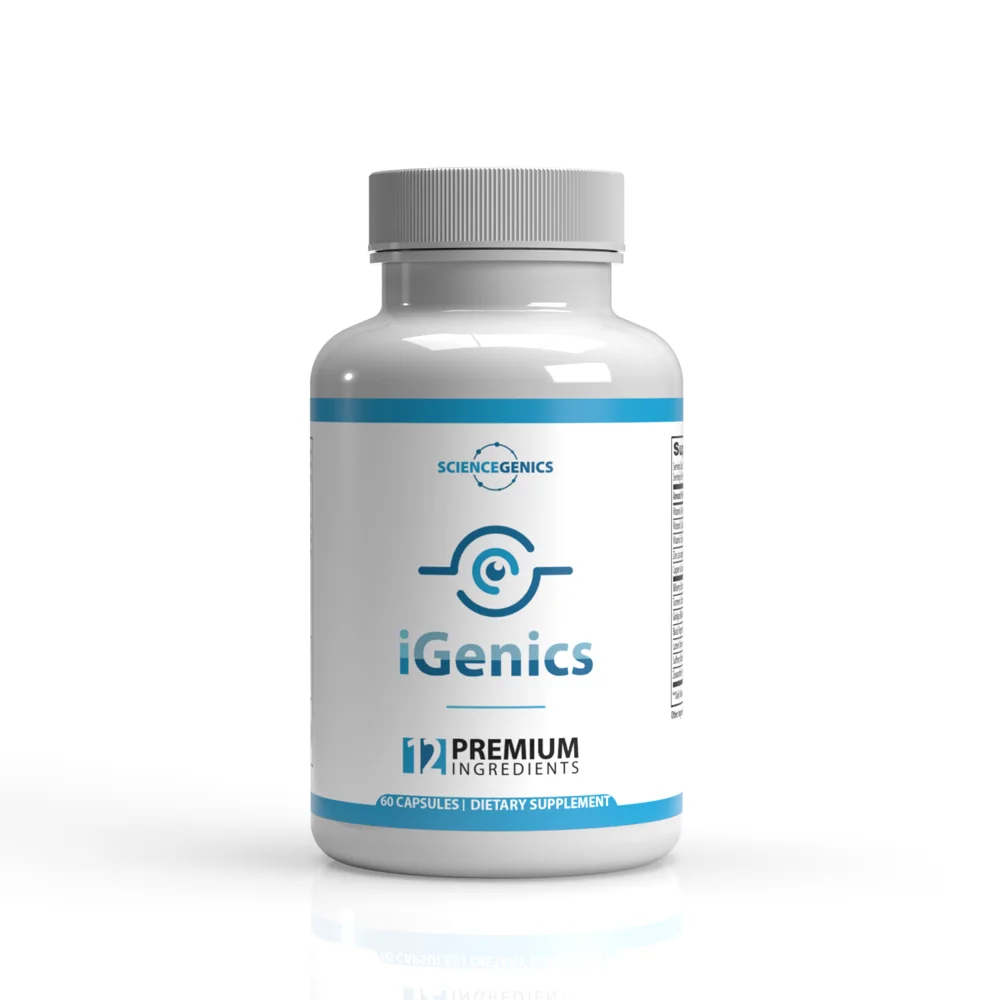
iGenics
Listed ingredients: Ginkgo biloba, AREDS-2 formula ingredients (not itemized), Bilberry, Saffron, Turmeric + BioPerine
Frequently asked questions
What are dry eyes?
Dry eye occurs when tears cannot provide enough lubrication for the surface of the eye[2]. The problem can be too few tears or tears that do not work well. Either way, the eye surface can become irritated and uncomfortable[1].
What are the symptoms of dry eyes?
Common symptoms include stinging, burning, a scratchy feeling, redness, light sensitivity and blurred vision. Watery eyes can also occur, because irritated eyes may make extra tears[1]. If vision blur is your main complaint, read more about blurry vision and its many possible causes.
What causes dry eyes?
Risk factors include getting older, hormonal changes, certain medications and some medical conditions[2]. Environmental factors and reduced blinking can add to the problem. Because causes differ, an eye doctor can help work out which apply to you.
Do screens cause dry eyes?
Screens do not appear to damage the eye, but people tend to blink less while using digital devices, which can dry the eye surface and add to discomfort[3]. Regular breaks, such as looking away from the screen at intervals, are a common recommendation[3]. Our page on eye strain covers other screen-related habits.
Are artificial tears the right place to start?
Artificial tears are lubricating eye drops and are a standard first step for mild dry eye[2]. Products differ in formulation, so an eye doctor or pharmacist can suggest a type that suits you, especially if you need drops often.
What prescription options exist for dry eyes?
When over-the-counter drops are not enough, an eye doctor may consider prescription eye drops or in-office approaches such as plugs placed in the tear drains[2]. Which option fits depends on the cause and severity, so this decision belongs with your doctor.
Do omega-3 supplements help dry eyes?
Evidence is limited and the best trial was negative. The DREAM study enrolled 535 people with dry eye disease and compared omega-3 supplements with an olive oil placebo for 12 months. The omega-3 group did not improve more than the placebo group[4]. Smaller earlier studies had been more hopeful, but DREAM is the larger, more rigorous test.
Does eating fish or other omega-3 foods matter for dry eyes?
DREAM tested supplements, not diet, so it cannot answer this question[4]. Omega-3 fatty acids are found in foods such as fatty fish, and they have roles in the body beyond the eyes[5]. Eating a varied diet is reasonable, but there is no good evidence that it will fix dry eye symptoms.
Should I see a doctor about dry eyes?
Yes, if symptoms are persistent, worsening or interfering with daily life. An exam can confirm whether dry eye is the cause and rule out other conditions that feel similar[1]. Seek care quickly for severe pain or sudden changes in vision.
Sources
- American Academy of Ophthalmology: What is dry eye?
- National Eye Institute: Dry eye
- American Academy of Ophthalmology: Computers, digital devices and eye strain
- DREAM Study Group. N Engl J Med 2018: n-3 fatty acid supplementation for dry eye disease
- NIH Office of Dietary Supplements: Omega-3 fatty acids fact sheet