Nutrients and Supplements for Dry Eyes: What the Research Shows
Many people with dry eyes wonder whether a supplement could ease the burning, grittiness and tired feeling. The honest answer is that the research is limited, and the best-known trial of omega-3 did not show a benefit over placebo. This page covers what the studies did and did not find, which foods contain these nutrients, what is known about safety, and how to read an eye supplement label.
- Omega-3 is the most studied supplement for dry eyes, but the large DREAM trial found no benefit over placebo[1].
- The evidence for lutein, bilberry, grape seed and similar ingredients for dry eye is not established in the sources reviewed.
- Fatty fish, flaxseed, chia and walnuts are the main food sources of omega-3[2].
- Check labels for disease claims, hidden blends and doses that do not match any study.
- Artificial tears, screen habits and an eye exam come before supplements[3][4].
Where supplements fit in dry eye care
Dry eye happens when the eyes do not make enough tears or the tears evaporate too quickly or are poor in quality. Age, certain medications, hormonal changes and long hours on screens are among the common contributors[3][5]. Because causes vary, no single nutrient is likely to help everyone.
Standard care usually starts with over-the-counter artificial tears. Prescription medicines and other in-office options exist for more persistent cases[3][5]. An eye doctor can work out which type of dry eye is present and whether something else, such as a medication side effect, is involved.
Supplements are best seen as an optional extra to discuss with a doctor, not a replacement for an exam or for treatment. Nothing on this page suggests a supplement can treat, prevent or reverse an eye condition.
Omega-3 fatty acids and the DREAM trial
Omega-3s are the nutrients most often linked to dry eye. The idea was that they may support the oily layer of the tear film or calm inflammation on the eye surface. Early, smaller studies raised hopes, which is why a larger, better-controlled trial was run.
That trial was DREAM. About 535 people with moderate to severe dry eye took either a high daily dose of fish-derived omega-3 (3,000 mg) or an olive oil placebo for 12 months. At the end, the omega-3 group did not do better than the placebo group on symptom scores or on eye-surface measures[1]. Both groups improved somewhat, which is common in dry eye studies.
What this does and does not mean
- It does not show that omega-3 harms the eyes.
- It does show that, in this trial, a high dose did not outperform placebo for moderate to severe dry eye[1].
- It cannot rule out a benefit for some individuals, or for other forms, doses or milder cases. Evidence is limited and mixed.
So omega-3 may still be reasonable for general health reasons, but it should not be counted on to relieve dry eye symptoms.
Other nutrients: what the evidence does and does not cover
Eye supplements often list many other ingredients, including lutein, zeaxanthin, vitamins C and E, zinc, bilberry, grape seed extract, taurine and herbal extracts. The sources used for this page do not show that any of these ease dry eye. That is different from saying they do nothing. It means the evidence needed to recommend them for this purpose is not here.
It helps to separate goals. Some formulas are modeled on research into other eye conditions, not dry eye. A product built around that research is not automatically useful for dry, irritated eyes.
If an ingredient list is long, treat that as a reason for caution rather than reassurance. More ingredients do not mean more evidence. A person with persistent dryness, redness, pain or changes in vision should see an eye doctor instead of trying one formula after another.
Food sources, doses and safety
Food is the simplest way to get omega-3s. The two long-chain forms, EPA and DHA, are found mainly in fatty fish such as salmon, mackerel, herring and sardines. Plant foods such as flaxseed, chia seeds and walnuts provide ALA, a different omega-3 that the body converts only in small amounts to EPA and DHA[2].
The NIH Office of Dietary Supplements lists adequate intakes of ALA at 1.6 g per day for adult men and 1.1 g per day for adult women[2]. There is no set daily target for EPA and DHA specifically.
Safety points
- The FDA has concluded that up to 3 g per day of combined EPA and DHA is generally recognized as safe, with no more than 2 g per day coming from supplements[2].
- Common side effects of fish oil include a fishy aftertaste and mild stomach upset[2].
- High intakes may affect blood clotting, so people who take blood thinners or have a bleeding disorder should check with a doctor first[2].
- Pregnant or nursing women, and anyone planning surgery, should also ask a clinician before starting a supplement.
Note that the dose used in DREAM was 3,000 mg daily[1]. Taking that much is a decision for a doctor to weigh in, not a target to chase.
How to judge an eye supplement label
Labels can make a product sound more proven than it is. These checks help.
- Look at the claims. Wording that promises to cure, reverse or fix an eye condition or restore vision is a red flag. Supplements cannot make those claims honestly.
- Match ingredients to the problem. Ask whether the ingredient was studied for dry eye, or for some other condition. Many are borrowed from other research.
- Check amounts. Doses should be listed per serving, with the unit. Be wary of a proprietary blend that hides how much of each ingredient is inside.
- Compare with trial doses. An ingredient present in a tiny amount is unlikely to match what any study used. For omega-3, check the EPA and DHA amounts, not just the total fish oil.
- Watch for stacking. Vitamins and minerals such as zinc, vitamin A and beta-carotene add up when combined with other supplements and a multivitamin. Very high amounts can cause problems.
- Look for independent testing. A third-party quality seal does not prove a product works, but it suggests the contents match the label.
- Check interactions. Herbal extracts may interact with medicines, including blood thinners. Bring the label to a pharmacist or doctor.
A short ingredient list with clear amounts is generally easier to evaluate than a long list of small doses.
Habits and care with more support
Several everyday steps have more behind them than most supplements. Screens are a common trigger because people tend to blink less while using them. The American Academy of Ophthalmology suggests taking regular breaks and being mindful of blinking during device use[4]. For related symptoms, see this guide to eye strain.
Artificial tears are a first-line option for many people, and an eye doctor can advise on prescription choices if they are not enough[3][5]. Reviewing medications with a doctor may also be useful, since some can add to dryness[3].
See an eye doctor promptly if there is eye pain, marked redness, light sensitivity or blurry vision that does not clear with blinking. For broader background, visit the site on eye health.
Eye supplements we have reviewed
These are the 4 eye-health supplements we have reviewed on HealthSupplements.best. None of them is proven to treat or prevent dry eyes; talk to your eye doctor before starting any supplement, especially if you take other medicines.
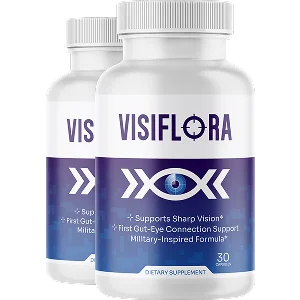
VisiFlora
Its listed ingredients include astaxanthin, vitamins C and E, quercetin, taurine, ginkgo and eyebright, but none of the sources reviewed show that any of them help dry eyes. It lists no omega-3, the nutrient with the most dry eye research, and that research was negative in DREAM. Evidence for eyebright in particular is lacking.
Listed ingredients: Astaxanthin, Vitamin C, Vitamin E, Copper, Selenium, Chromium
TheyaVue
Its listed lutein, zeaxanthin, vitamins C and E, zinc and bilberry are not shown by the sources reviewed to help dry eyes. There is no good evidence here for this topic, and it contains no omega-3. Check amounts and interactions with a pharmacist or doctor.
Listed ingredients: Lutein, Zeaxanthin, Vitamin C, Calcium, Vitamin E, Bilberry Extract
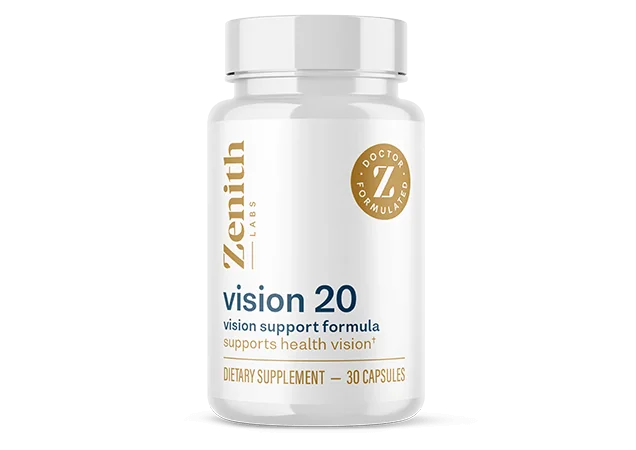
Vision 20
Its listed lutein, zeaxanthin, zinc, beta-carotene, vitamin A, taurine, bilberry and grape seed extract have no good evidence for dry eyes in the sources reviewed. Because vitamin A and beta-carotene can add up with other supplements, total intake is worth checking with a clinician.
Listed ingredients: Lutein, Zeaxanthin, Zinc, Beta-carotene, Lycopene, Rose Hips
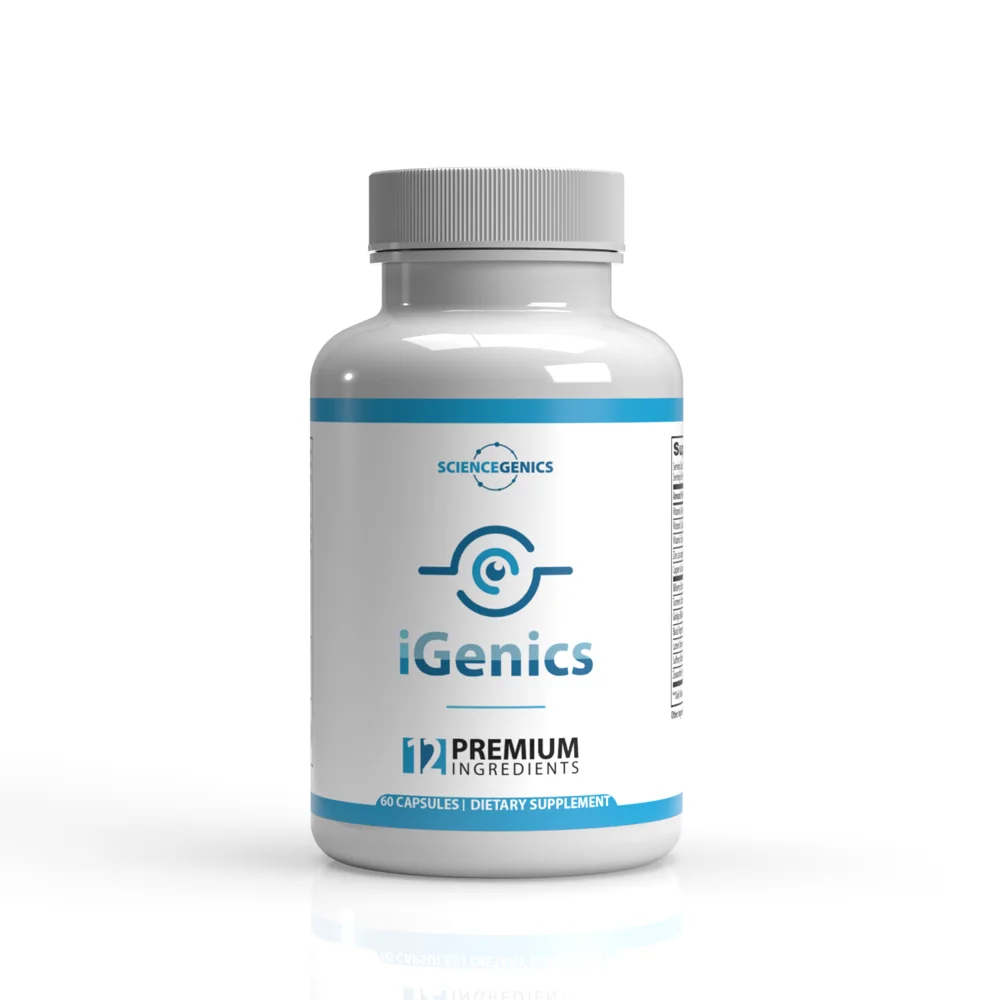
iGenics
Its listed ginkgo, bilberry, saffron and turmeric have no good evidence for dry eyes in the sources reviewed, and the AREDS-2 ingredients are not itemized, so amounts cannot be assessed. Ginkgo and turmeric may interact with some medicines, so ask a doctor or pharmacist first.
Listed ingredients: Ginkgo biloba, AREDS-2 formula ingredients (not itemized), Bilberry, Saffron, Turmeric + BioPerine
Frequently asked questions
Does omega-3 help dry eyes?
The evidence is mixed and limited. In the DREAM trial, people with moderate to severe dry eye who took omega-3 for 12 months did not improve more than those who took an olive oil placebo[1]. Some people may still choose omega-3 for general health, but it should not replace care from an eye doctor.
Is it safe to take fish oil for dry eyes?
For most adults, up to 3 g per day of EPA and DHA combined is considered generally recognized as safe by the FDA, with no more than 2 g from supplements[2]. Side effects can include a fishy aftertaste and stomach upset, and high intakes may affect clotting[2]. Anyone on blood thinners should check with a doctor first.
Can I get enough omega-3 from food instead of pills?
Eating fatty fish such as salmon, mackerel, herring or sardines provides EPA and DHA, while flaxseed, chia and walnuts provide ALA[2]. Food gives other nutrients as well. Whether food or pills help dry eye specifically has not been shown.
When should I see a doctor about dry eyes?
Dry eyes that persist, keep returning or interfere with daily activities deserve an exam, since the cause affects the treatment[3]. Pain, strong redness, light sensitivity or changes in vision should be checked promptly.
Sources
- DREAM Study Group. N Engl J Med 2018: n-3 fatty acid supplementation for dry eye disease
- NIH Office of Dietary Supplements: Omega-3 fatty acids fact sheet
- National Eye Institute: Dry eye
- American Academy of Ophthalmology: Computers, digital devices and eye strain
- American Academy of Ophthalmology: What is dry eye?