Dry Eyes: Causes, Symptoms, Risk Factors and Options
Dry eyes are common, and they can be uncomfortable enough to disrupt reading, driving and work. The condition happens when tears cannot keep the eye surface properly lubricated[1]. This overview covers how it develops, who is most likely to get it, what helps, and where nutrition and supplements fit, including a large trial with disappointing results.
- Dry eyes occur when tears cannot adequately lubricate the eye surface, either from low production or poor quality[1].
- Screens, age, certain medications, hormonal changes and some health conditions can all contribute[1][2].
- Artificial tears help many people, and eye doctors can offer prescription options for persistent cases[1].
- In the 12-month DREAM trial, omega-3 supplements did not outperform placebo for dry eye[3].
- Persistent symptoms or vision changes call for an eye exam rather than self-treatment.
What dry eyes means
Dry eye is a condition in which the tears do not provide enough lubrication for the surface of the eye. This can happen when the eyes do not make enough tears, or when the tears are poor quality and evaporate or drain too quickly[1][4].
Tears are more than water. They are a layered film that keeps the eye surface smooth, helps wash away debris and supports clear vision. When that film breaks down, the surface can become irritated and inflamed[4].
For many people dry eye is a long-term issue that comes and goes rather than a one-time problem. Symptoms often vary with the environment, time of day and how much time is spent looking at screens.
How dry eyes develop
Dry eye usually has more than one contributing factor. The main ones described by eye health organizations include:
- Reduced tear production. The glands that make tears may produce less with age or because of certain health conditions[1].
- Poor tear quality or fast evaporation. Tears that lack the right balance of components can break up quickly[4].
- Less blinking during screen use. People tend to blink less when focused on computers and other digital devices, which lets the eye surface dry out[2].
- Medications. Some commonly used medicines, such as certain antihistamines and decongestants, can reduce tear production[1].
- Hormonal changes. Shifts linked to pregnancy, birth control pills and menopause are associated with dry eye[1].
- Environment. Wind, smoke and very dry air can increase tear evaporation[1].
Because several causes can overlap, an eye doctor can help work out which ones apply in a given case. Screen-related dryness often overlaps with eye strain, and the two can feel similar.
Who is at risk
Anyone can develop dry eye, but some groups are affected more often. The National Eye Institute lists these risk factors[1]:
- Being over age 50
- Being female, partly because of hormonal changes
- Wearing contact lenses
- Taking medications that dry the eyes
- Having certain conditions, such as Sjögren's syndrome or rheumatoid arthritis
- Having a diet low in vitamin A or omega-3 fatty acids
Heavy screen use is another everyday risk factor, since blinking tends to decrease during close visual work[2]. Having one or more of these factors does not mean dry eye is certain, but it is a reason to pay attention to symptoms.
Symptoms and when to see an eye doctor
Dry eye can feel different from person to person. Common symptoms include stinging or burning, a scratchy or gritty feeling, redness, sensitivity to light, and a feeling that something is in the eye[1][4]. Surprisingly, watery eyes can also be a sign, because the eye may overproduce tears in response to irritation[4].
Some people notice that their vision fluctuates, especially while reading or using a screen. If you have blurry vision that does not clear with blinking, or that comes on suddenly, see an eye doctor promptly. Blurriness has many possible causes, and dry eye should not be assumed.
See an eye doctor if symptoms last more than a few days, get worse, involve pain or a change in vision, or do not improve with simple measures. A professional exam can identify the cause and rule out other eye problems.
Common treatment options
Treatment depends on the cause and severity. Mild cases often respond to simple steps, while longer-lasting cases may need prescription care from an eye doctor[1][4].
Everyday measures
- Over-the-counter artificial tears to add moisture[1]
- Taking regular breaks from screens and blinking more often, such as with the 20-20-20 approach: every 20 minutes, look at something 20 feet away for 20 seconds[2]
- Avoiding smoke, wind and direct airflow from fans or vents[1]
Options from an eye doctor
- Prescription eye drops that help reduce inflammation or support tear production[1]
- Procedures such as plugs that keep tears on the eye surface longer[1]
- Reviewing current medications, since some can contribute to dryness[1]
These options do not suit everyone, and the right choice depends on an exam. Artificial tears are available in several formulas, so an eye doctor can advise if one type works better than another for a particular person.
Nutrition and supplements: a preview
Because low omega-3 intake is listed as a possible risk factor, omega-3 fatty acids have received the most research attention for dry eye[1]. The strongest test so far did not support them as a fix.
The DREAM trial, published in the New England Journal of Medicine in 2018, randomly assigned 535 adults with moderate to severe dry eye to omega-3 supplements or an olive oil placebo for 12 months. The omega-3 group did not improve more than the placebo group on symptoms or on measured signs of dry eye[3].
That does not mean omega-3s are harmful or that foods containing them are unimportant. The NIH Office of Dietary Supplements explains that omega-3s are found in fish and some plant foods and are part of overall nutrition[5]. It simply means evidence that a supplement helps with dry eye is limited, and results should not be oversold.
Other ingredients commonly found in eye supplements, such as carotenoids and herbal extracts, are not backed by good evidence for dry eye in the sources reviewed here. For a closer look at what has and has not been studied, see the supplements page on this site. For general background on keeping your eyes healthy, visit our eye health resources.
Anyone considering a supplement should talk with an eye doctor or pharmacist first, especially when taking other medicines.
Eye supplements we have reviewed
Want to compare products? Read what the research says about nutrients for dry eyes first, then compare the products below.
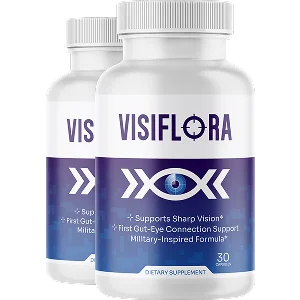
VisiFlora
Astaxanthin, vitamin C, vitamin E, grape seed extract, quercetin, taurine and eyebright are among its listed ingredients, but none of the sources reviewed here show good evidence that they help dry eye. Eyebright in particular has no supporting evidence in these sources for this topic.
Listed ingredients: Astaxanthin, Vitamin C, Vitamin E, Copper, Selenium, Chromium
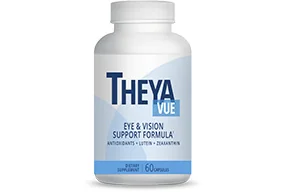
TheyaVue
Lutein, zeaxanthin, vitamin C, vitamin E, zinc and bilberry extract are listed, but the sources reviewed here do not show that they help dry eye. Evidence for these ingredients on this topic is limited or absent.
Listed ingredients: Lutein, Zeaxanthin, Vitamin C, Calcium, Vitamin E, Bilberry Extract
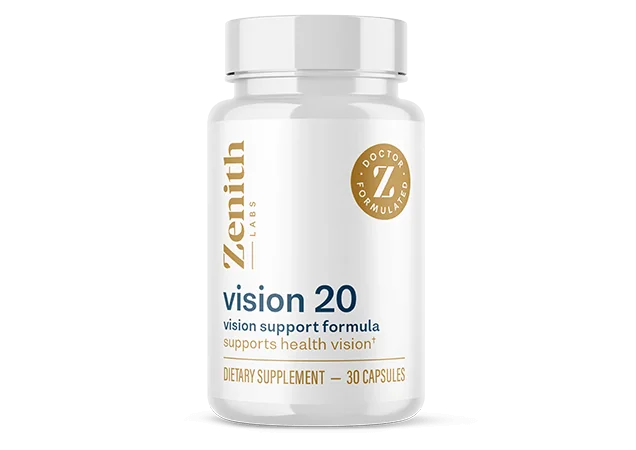
Vision 20
Vitamin A is listed, and the National Eye Institute names a diet low in vitamin A as a possible dry eye risk factor, but that does not show a supplement helps. Lutein, zeaxanthin, lycopene, taurine, grape seed and bilberry have no good evidence for dry eye in the sources reviewed.
Listed ingredients: Lutein, Zeaxanthin, Zinc, Beta-carotene, Lycopene, Rose Hips
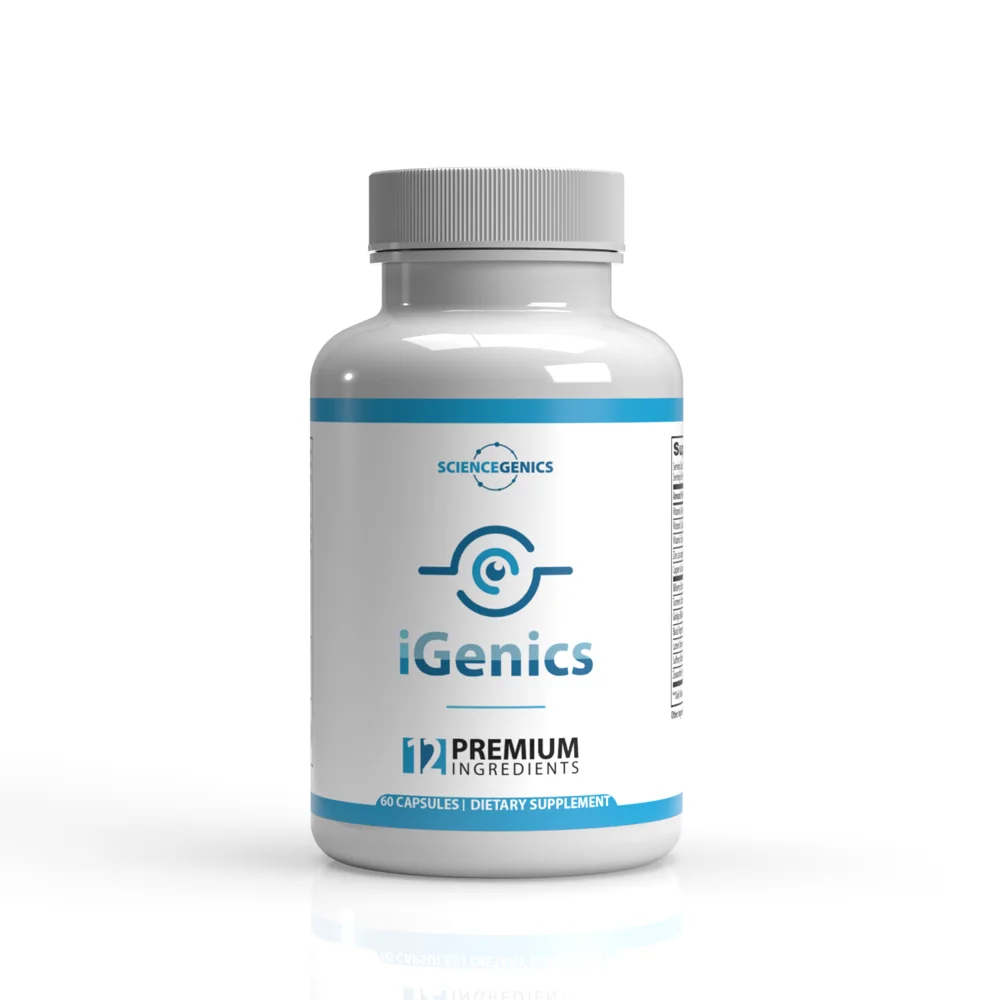
iGenics
Bilberry, saffron, turmeric and ginkgo biloba are listed, along with ingredients from an AREDS-2 formula that are not itemized. None of the sources reviewed here show that these ingredients help dry eye, so evidence for this topic is limited or absent.
Listed ingredients: Ginkgo biloba, AREDS-2 formula ingredients (not itemized), Bilberry, Saffron, Turmeric + BioPerine
Frequently asked questions
Can dry eyes go away on their own?
Mild dryness from a short-term cause, such as a long day at a screen or a dry environment, may ease once the cause is removed. Dry eye that keeps returning is often a long-term condition that needs ongoing management[4]. An eye doctor can advise on the best approach.
Do screens cause dry eyes?
Screens do not appear to damage the eyes, but people tend to blink less while using them, which can leave the eye surface dry[2]. Regular breaks and conscious blinking may help with comfort.
Do omega-3 supplements help dry eyes?
The largest trial, DREAM, found no better results than an olive oil placebo over 12 months[3]. Evidence that omega-3 supplements help dry eye is therefore limited. Eating omega-3-containing foods remains part of a balanced diet[5].
When should dry eyes be checked by a doctor?
See an eye doctor if symptoms persist, worsen, cause pain, or come with vision changes. Dry eye can be linked to medications or other health conditions, and an exam helps rule out other causes[1].
Sources
- National Eye Institute: Dry eye
- American Academy of Ophthalmology: Computers, digital devices and eye strain
- DREAM Study Group. N Engl J Med 2018: n-3 fatty acid supplementation for dry eye disease
- American Academy of Ophthalmology: What is dry eye?
- NIH Office of Dietary Supplements: Omega-3 fatty acids fact sheet