Vitamins for Dry Eyes & Inflammation: What the Evidence Shows
No vitamin or supplement has been shown to reliably relieve dry eyes, and the best-known test of omega-3 for dry eye disease found no benefit over placebo[1]. Quercetin and rutin have only lab and animal data behind them, and the gut-eye link is still early research. An eye doctor can find the cause of dry eyes and suggest options that have more support than supplements.
- Best supplements for dry eyes: what the evidence supports
- Vitamins for dry eyes and inflammation: omega-3 and the DREAM trial
- Quercetin and rutin for eye inflammation: lab and animal data only
- The gut-eye connection: what the dry eye review says
- Safety: what to check before taking eye supplements
- How the eye supplements we reviewed compare
- No supplement is proven to relieve dry eyes, and the large DREAM trial found omega-3 no better than placebo[1].
- Quercetin has only mouse-model data for dry eye, and rutin has no dry eye evidence in our sources[2].
- The gut-eye link is an early research idea, not a proven reason to take a supplement[3].
- Screen habits, medications and age can all contribute, so see an eye doctor for the cause[4][5].
- Check doses of vitamin A, beta-carotene and zinc, and ask about ginkgo if you take blood thinners.
Best supplements for dry eyes: what the evidence supports
The honest answer to "what are the best supplements for dry eyes" is that none has strong proof. Dry eye happens when tears do not lubricate the eye well enough, either because the eye makes too few tears or because the tears evaporate or drain too fast[6]. Causes include age, hormone changes, certain medications and long hours of screen use[6][5].
Because the causes differ, one pill is unlikely to fit everyone. Supplements are best seen as a possible extra, not a replacement for care. Our dry eye treatment and home care page covers artificial tears and prescription options, and nutrients and supplements gives the wider picture.
Screens are a common and fixable factor. People tend to blink less while using digital devices, which can dry the eye surface[4]. Taking regular breaks and blinking on purpose can help more than a capsule. See how to relieve computer eye strain for practical steps, and eye strain for related symptoms.
Vitamins for dry eyes and inflammation: omega-3 and the DREAM trial
Omega-3 fatty acids are the most studied supplement for dry eye, because they were thought to calm inflammation on the eye surface. The DREAM trial tested that idea in a large, well-designed study and published in the New England Journal of Medicine in 2018. Participants with dry eye disease who took omega-3 supplements did not improve more than those who took a placebo[1].
That result matters because many articles still present fish oil as a proven fix. Smaller earlier studies had suggested a benefit, but the larger trial did not confirm it[1].
Omega-3s still have other roles in the diet, and the NIH notes they are found in fish and some plant foods[7]. The takeaway is narrow. Taking omega-3 specifically to treat dry eyes is not supported by the best trial we have.
If a supplement is not working after a fair trial, there is no reason to keep taking it for your eyes. Ask your eye doctor what else to try.
Quercetin and rutin for eye inflammation: lab and animal data only
Quercetin is a plant compound, and rutin is a related compound found in many eye formulas. Interest in quercetin for dry eyes comes from a mouse model of experimental dry eye published in Cornea in 2015[2].
That is the extent of the evidence we can cite. Mouse studies are useful for generating ideas, but they cannot show that the same effect happens in people, at what dose, or whether it is safe over time. We found no human trial of quercetin or rutin for dry eye in the sources used for this guide.
So quercetin and rutin may be of scientific interest, but they cannot be called a proven option for eye inflammation. Any product that suggests otherwise is going beyond the research.
The gut-eye connection: what the dry eye review says
A 2024 review in BMC Ophthalmology looked at the gut-eye axis, meaning the possible link between gut microbiota and dry eye[3]. The idea is that gut bacteria may influence immune and inflammatory activity elsewhere in the body, including the eye surface.
This is a developing area. A review summarizes existing research, and it does not show that any supplement changes gut bacteria in a way that improves dry eyes[3]. Claims that a capsule "supports the gut-eye link" should be read as hopeful, not established.
For more background, see the gut-eye connection and the broader eye health topic.
Safety: what to check before taking eye supplements
"Natural" does not mean risk-free. A few points are worth checking:
- Omega-3: The NIH notes side effects are usually mild, such as an unpleasant taste, but it is still worth asking your doctor if you take other medicines[7].
- Vitamin A, beta-carotene and zinc: These can be harmful at high intakes, and smokers are advised to avoid beta-carotene supplements. Add up what you get from all supplements and multivitamins.
- Ginkgo: It may raise bleeding risk with blood thinners.
- Medications: Some medicines can themselves cause dry eyes, so a supplement may not address the real cause[5].
Persistent dryness, pain, redness, light sensitivity or changes in vision need an eye exam. Dry eyes can also come with blurry vision, and sudden changes should be checked promptly. Our guide to dry, blurry eyes in the morning explains common patterns. Supplements should never delay diagnosis or treatment.
How the eye supplements we reviewed compare
None of these products has clinical trial data on the finished formula for dry eyes, and none should be taken as a treatment for any condition.
VisiFlora is the closest match to this guide's subject because it lists both quercetin and rutin, along with grape seed extract, taurine, alpha lipoic acid, eyebright and astaxanthin. Quercetin has only mouse-model data for dry eye[2], and the vendor page cites no clinical data on the finished product. Amounts are not disclosed for most ingredients. Its gut-eye framing is marketing language, not an established benefit[3]. See VisiFlora ingredients for a closer look.
TheyaVue names eight ingredients, including rutin, lutein, zeaxanthin, bilberry and zinc. Only rutin overlaps with this topic, and we have no dry eye evidence for it. The vendor claims 24 ingredients but names only eight.
Vision 20 lists lutein, zeaxanthin, zinc, beta-carotene, bilberry and others. These are aimed more at general eye support than at dry eyes, and none has good evidence here. Smokers should avoid beta-carotene.
iGenics lists ginkgo, bilberry, saffron, turmeric and AREDS-2-style ingredients. AREDS2 was studied in people with existing macular degeneration, not dry eye. Turmeric is the only ingredient with an inflammation angle, and we have no dry eye evidence for it here.
For other uses, see eye vitamins over 50.
Eye supplements we have reviewed
Want to compare products? Read what the research says about nutrients for dry eyes first, then compare the products below.
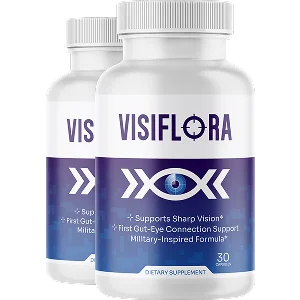
VisiFlora
Lists quercetin and rutin, and quercetin has only mouse-model data for dry eye, so benefit in people is unproven. Most other listed ingredients have no good dry eye evidence cited here, amounts are not disclosed, and the vendor cites no clinical data on the finished product.
Listed ingredients: Astaxanthin, Vitamin C, Vitamin E, Copper, Selenium, Chromium
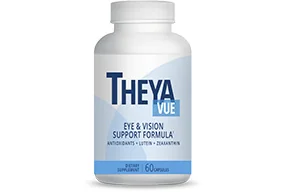
TheyaVue
Only rutin relates to this topic, and no dry eye evidence for it is cited here. Lutein, zeaxanthin, bilberry and zinc are not supported by good evidence for dry eyes in our sources, and only 8 of the 24 claimed ingredients are named.
Listed ingredients: Lutein, Zeaxanthin, Vitamin C, Calcium, Vitamin E, Bilberry Extract
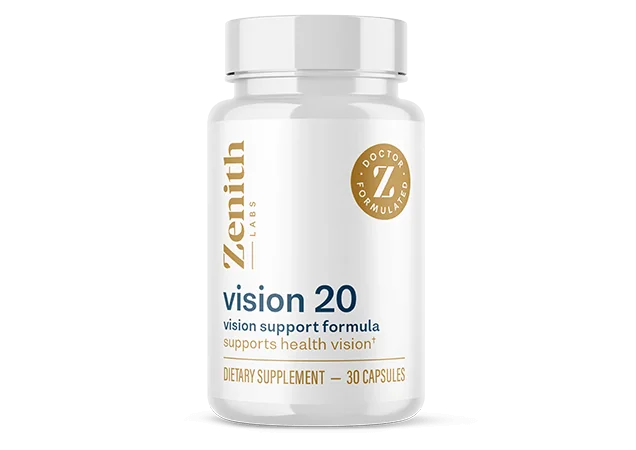
Vision 20
Its carotenoids, zinc, taurine, bilberry and grape seed extract have no good dry eye evidence in our sources. Amounts are not disclosed, and smokers should avoid beta-carotene.
Listed ingredients: Lutein, Zeaxanthin, Zinc, Beta-carotene, Lycopene, Rose Hips
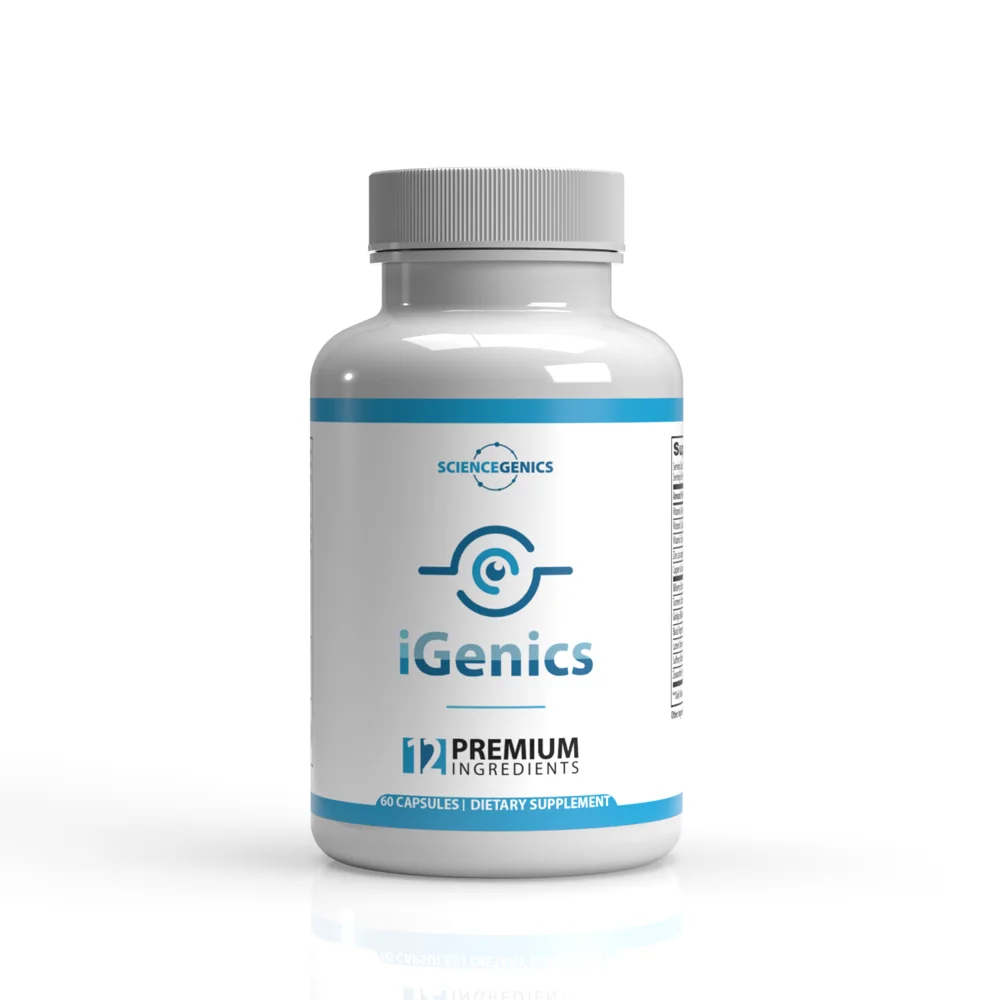
iGenics
Turmeric is the only listed ingredient with an inflammation angle, and no dry eye evidence for it is cited here. The AREDS-2-style ingredients were studied in people with macular degeneration, not dry eye, and only six of 12 ingredients are named.
Listed ingredients: Ginkgo biloba, AREDS-2 formula ingredients (not itemized), Bilberry, Saffron, Turmeric + BioPerine
Frequently asked questions
What vitamins are best for dry eyes?
No vitamin has been proven to relieve dry eyes. The DREAM trial found omega-3 supplements did not beat placebo for dry eye disease[1]. An eye doctor can recommend options with better support, such as artificial tears.
Can quercetin or rutin help eye inflammation?
The evidence is limited to lab and animal work, including a mouse model of dry eye[2]. That does not show a benefit in people. Treat claims of eye inflammation relief with caution.
Is there a link between gut health and dry eyes?
A 2024 review explored a possible gut-eye axis involving gut microbiota and dry eye[3]. The research is early, and it does not prove that supplements improve dry eyes through the gut.
When should I see an eye doctor about dry eyes?
See one if symptoms last, get worse, or come with pain, redness, light sensitivity or vision changes. Dry eye has several possible causes, and the right treatment depends on which one applies[6].
Sources
- DREAM Study Group. N Engl J Med 2018: n-3 fatty acid supplementation for dry eye disease
- Cornea 2015: quercetin in a mouse model of experimental dry eye
- BMC Ophthalmol 2024: microbiota and dry eye, a review of the gut-eye axis
- American Academy of Ophthalmology: Computers, digital devices and eye strain
- American Academy of Ophthalmology: What is dry eye?
- National Eye Institute: Dry eye
- NIH Office of Dietary Supplements: Omega-3 fatty acids fact sheet