Dry Eyes: Signs, Symptoms, Diagnosis and When to Get Care
Dry eyes can feel like grit, burning or tiredness that gets worse as the day goes on. The symptoms are common and usually manageable, but a few warning signs mean an eye doctor should see you quickly. This page covers what dry eyes feel like, how the condition is diagnosed, which red flags need urgent care, and what happens at an exam.
- Dry eye can cause burning, grittiness, redness, light sensitivity, blurred vision and even watery eyes.
- Screen use can make symptoms worse because people tend to blink less.
- Diagnosis relies on your history plus tests of tear amount, tear quality and the eye surface.
- Sudden vision changes, severe pain, injury, chemical exposure or painful red eyes with contact lenses need same-day care.
- The DREAM trial found omega-3 supplements no better than placebo for dry eye, so they are not a substitute for an exam.
Common signs and symptoms of dry eyes
Dry eye happens when the eyes do not make enough tears, or when the tears are poor quality and evaporate too fast or do not spread well. The result is an uncomfortable eye surface.[1]
People describe it in different ways. Symptoms listed by eye health organizations include:
- Stinging, burning or scratchy feelings in the eyes
- A sense that something is in the eye
- Stringy mucus in or around the eyes
- Eye redness
- Sensitivity to light
- Eye fatigue
- Blurred vision
- Trouble wearing contact lenses
Watery eyes can also be a sign of dry eye. This surprises many people. When the eye surface is irritated, the eye may make a rush of watery tears in response. Those tears do not have the right makeup to keep the surface comfortable, so the dryness and irritation return.[1]
Symptoms often come and go. They may be worse in wind, air conditioning, heated rooms or at the end of a long day of reading or screen work.
Why symptoms often flare with screens
Many people notice their eyes feel worse after long stretches at a computer or phone. Blinking tends to slow down during focused screen work, which gives tears more time to evaporate from the eye surface.[3]
Digital eye strain and dry eye overlap, and they can be hard to tell apart. Strain may cause tired eyes, headaches or temporary blur, while dryness adds burning, grittiness or redness. Some people have both at once. For more on the strain side, see eye strain.
Age, some medications and hormonal changes are also linked with dry eye.[1][2] If symptoms began after starting a new medication, mention it to your doctor. Do not stop a prescribed medicine on your own.
Dry eye and blurry vision
Blurred vision is a recognized symptom of dry eye.[1] When the tear film is uneven, vision can look smeared or hazy. Often it clears briefly after blinking.
That pattern is a useful clue, but it is not proof. Blurry vision has many causes, some of them serious. Vision that stays blurry after blinking, or that changes suddenly, should be checked by an eye doctor. Our page on blurry vision covers other possible causes and when to seek care.
How dry eye is diagnosed
Dry eye is diagnosed by an eye care professional. There is no single test that settles it. Doctors usually combine your history with an exam of the eye surface.[1][2]
The visit often begins with questions about your symptoms, your screen and contact lens habits, your medications and your general health. Many clinics also use a short symptom questionnaire.
Tests your doctor may use include:
- Tear volume measurement. A thin strip of paper placed at the lower eyelid can show how much moisture the eye produces.
- Tear quality and stability. The doctor may check how quickly the tear film breaks up between blinks.
- Surface staining. A drop of dye can highlight dry or damaged spots on the front of the eye.
- Eyelid and gland check. The doctor looks at the lids and the oil glands along the lid edges under magnification.
Because other conditions can look like dry eye, the exam also helps rule them out. These include allergy, infection, eyelid problems and contact lens complications.
Red flags: when to get urgent or same-day eye care
Ordinary dry eye is uncomfortable but usually not an emergency. Some symptoms point to a different or more serious problem. Contact an eye doctor the same day, or go to an emergency department if one is not available, for any of the following:
- Sudden loss of vision or a sudden, major change in vision
- Severe eye pain
- Eye pain or redness while wearing contact lenses (remove them and do not put them back in)
- A chemical splash or an injury to the eye
- Marked light sensitivity together with a red, painful eye
- Thick or colored discharge, or a swollen, very red eyelid
- A new cloudy or white spot on the clear front of the eye
- Flashes of light, a shower of new floaters or a shadow over part of your vision
- Eye symptoms together with a severe headache, nausea or a rash on the face
This list is not complete. If something feels wrong, or symptoms are getting worse instead of settling, trust that judgment and call. Do not try to treat these signs at home or with supplements.
What to expect at an eye exam
A routine visit for dry eye is usually quick and low-stress. Bring a list of your medications, supplements and eye drops, including how often you use them. Bring your glasses and any contact lenses you wear.
Expect questions about when symptoms happen, what makes them better or worse, and how many hours you spend on screens. Your doctor will measure your vision, then look at the eyelids, the eye surface and the tear film with a microscope-like lamp. Dye drops and tear tests may follow. They can sting briefly but are not usually painful.[1]
A full exam may include a look at the inside of the eye as well. Some dry eye symptoms overlap with other conditions, so this helps make sure nothing else is missed. For a wider look at routine care, see eye health.
After the exam, your doctor may suggest options such as artificial tears, changes to your environment or screen habits, treatment for eyelid problems, or prescription therapy. The right approach depends on the cause and how severe it is.[1][2]
Where supplements fit in
Many people with dry eye wonder about omega-3 supplements. Fish oil is a common source of omega-3 fatty acids.[4]
The best-known test of this idea is the DREAM trial. It compared omega-3 supplements with an olive oil placebo in people with dry eye disease. The omega-3 group did not do better than the placebo group.[5]
That result does not mean supplements are harmful for everyone. It does mean the evidence for omega-3 as a dry eye treatment is not strong. A supplement should not replace an exam, especially if you have any red flag symptom. Talk with your doctor or pharmacist before adding one, particularly if you take blood thinners or other medicines.
Eye supplements we have reviewed
Want to compare products? Read what the research says about nutrients for dry eyes first, then compare the products below.
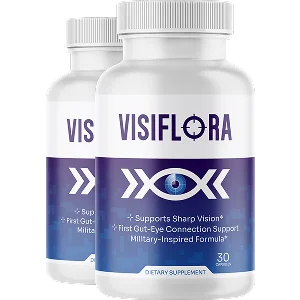
VisiFlora
Listed ingredients: Astaxanthin, Vitamin C, Vitamin E, Copper, Selenium, Chromium
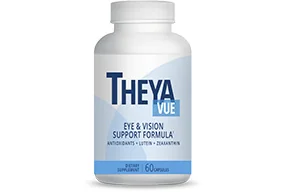
TheyaVue
Listed ingredients: Lutein, Zeaxanthin, Vitamin C, Calcium, Vitamin E, Bilberry Extract
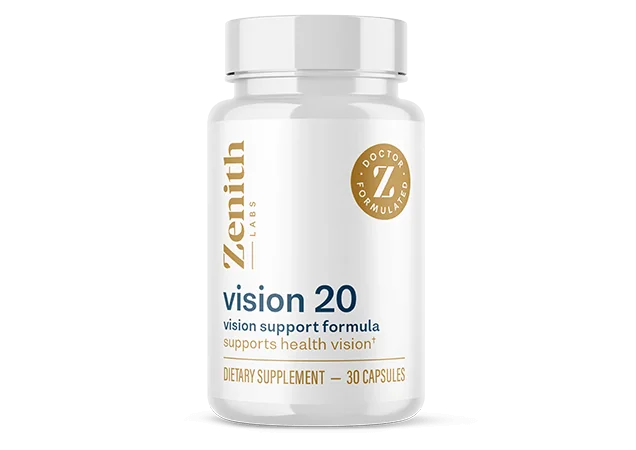
Vision 20
Listed ingredients: Lutein, Zeaxanthin, Zinc, Beta-carotene, Lycopene, Rose Hips
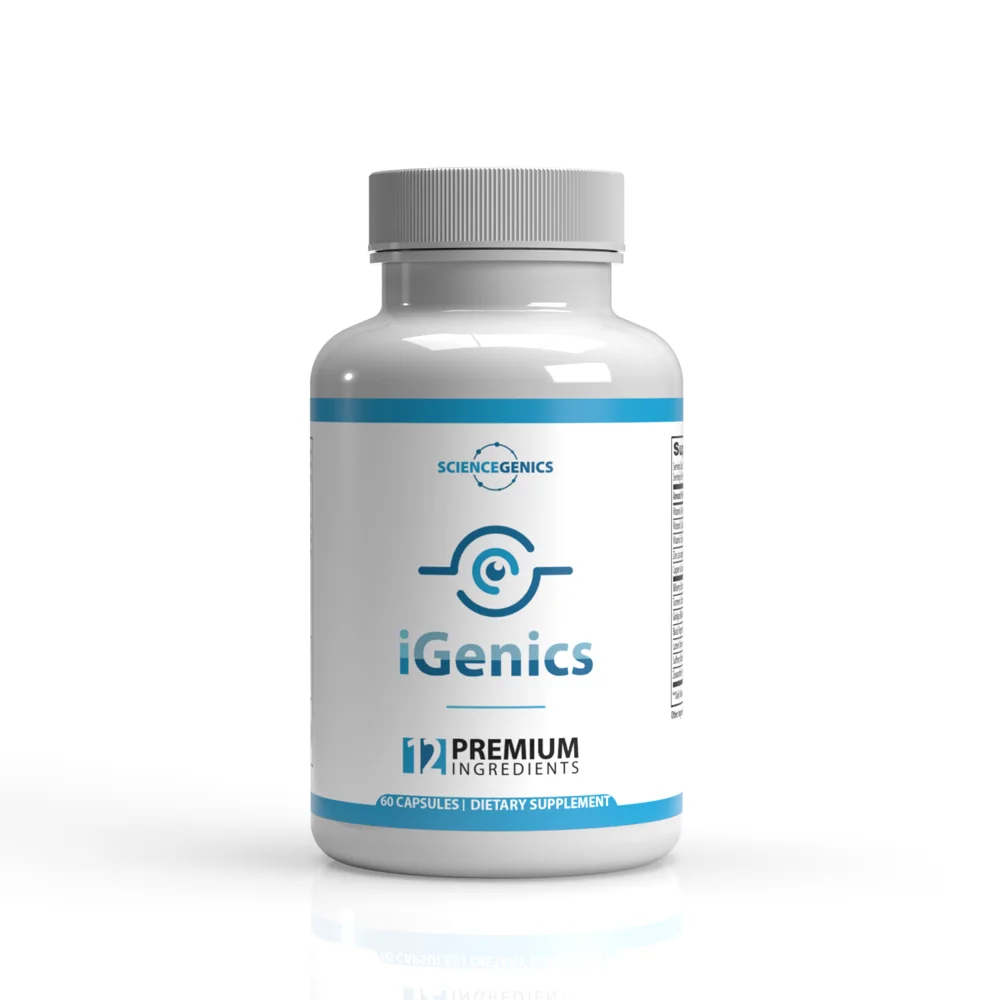
iGenics
Listed ingredients: Ginkgo biloba, AREDS-2 formula ingredients (not itemized), Bilberry, Saffron, Turmeric + BioPerine
Frequently asked questions
Can dry eyes make your eyes water?
Yes. Irritation from dryness can trigger a rush of watery tears. Those tears do not keep the eye surface comfortable, so burning or grittiness often returns.[1] An eye doctor can help work out the cause.
How do I know if it is dry eye or digital eye strain?
The two overlap, and you can have both. Strain tends to bring tired eyes and headaches after close work, while dry eye adds burning, grit or redness.[3][1] An eye exam can sort out which is driving your symptoms.
Is dry eye an emergency?
Usually not. But sudden vision loss, severe pain, an eye injury, chemical exposure, or a painful red eye with contact lenses need same-day care. If you are unsure, call an eye doctor and describe your symptoms.
Will omega-3 supplements fix dry eye?
Evidence is limited. In the DREAM trial, omega-3 supplements did not perform better than an olive oil placebo for dry eye disease.[5] Ask your eye doctor about options that fit your situation.
Sources
- National Eye Institute: Dry eye
- American Academy of Ophthalmology: What is dry eye?
- American Academy of Ophthalmology: Computers, digital devices and eye strain
- NIH Office of Dietary Supplements: Omega-3 fatty acids fact sheet
- DREAM Study Group. N Engl J Med 2018: n-3 fatty acid supplementation for dry eye disease