Dry Eyes: Treatment, Home Care and What Not to Rely On
Dry eyes are common, and the burning, grittiness and blurred vision they cause can wear on a person day after day. Most people get relief from a mix of eye drops, daily habits and, when needed, treatments from an eye doctor[1]. This page explains what those options are, how to lower the chance of flare-ups, and which popular ideas, including omega-3 pills, have weaker evidence than many people expect.
- Dry eye care often combines artificial tears, daily habits and, when needed, treatments from an eye doctor.
- An eye doctor may offer prescription drops, punctal plugs or lid care depending on the cause.
- Blinking fully, taking screen breaks and avoiding direct airflow may ease symptoms.
- In the large DREAM trial, omega-3 supplements did not outperform placebo for dry eye.
- Persistent or painful symptoms, or any vision change, need a prompt eye exam.
Start with an eye exam
Dry eye has several possible causes, including aging, hormonal changes, certain medications and long periods of screen use[1]. The same symptoms can also come from other eye problems. An eye doctor can check what is driving the symptoms and choose a plan that fits.
See an eye doctor if symptoms last more than a few days, get worse, or come with pain, marked redness, light sensitivity or changes in vision. Dry eye can also make blurry vision worse, but blurred vision has many other causes that need a proper exam.
Medical treatments an eye doctor may use
Treatment depends on how severe the dryness is and what is causing it. According to the American Academy of Ophthalmology, options can include:
- Artificial tears and lubricating ointments to add moisture to the eye surface[2]
- Prescription eye drops that target the inflammation linked to some forms of dry eye[2][1]
- Punctal plugs, tiny inserts placed in the tear drainage openings so tears stay on the eye longer[1][2]
- Warm compresses and eyelid hygiene when the eyelid oil glands are involved[2]
- Changes to medications that may be contributing, made only with the prescribing doctor[1]
Not every option suits every person. An eye doctor can explain the benefits, side effects and expected timeline for each one. Prescription drops often take time to work, so ask what to expect and when to follow up.
Artificial tears and everyday home care
Over-the-counter artificial tears are usually the first step for mild dry eye[2]. Products differ in thickness and in whether they contain preservatives. If one type does not help, ask an eye doctor or pharmacist before switching around or using drops many times a day.
Simple habits can add to the effect:
- Use a warm compress on closed eyelids and gently clean the lash line if an eye doctor recommends it[2]
- Avoid direct airflow from fans, car vents and heaters aimed at the face[1]
- Consider a humidifier if indoor air is very dry[1]
- Wear wraparound sunglasses outdoors to cut wind and dry air[1]
Drops sold to take the redness out of the eyes are not the same as lubricating drops. Ask an eye doctor before using them often for dry eye symptoms[2].
Daily habits for screen users
Staring at a screen reduces how often people blink, which can leave the eye surface dry and tired[3]. Small changes to the work setup can help:
- Blink fully and often. Set a reminder if needed[3]
- Take regular breaks. The 20-20-20 rule means looking at something 20 feet away for 20 seconds every 20 minutes[3]
- Position the screen slightly below eye level so the eyes are not opened as wide[3]
- Reduce glare and adjust lighting and screen settings[3]
These steps also help with eye strain, which often overlaps with dry eye symptoms. If discomfort continues even with good habits, an eye exam is the next step.
Prevention: lowering the odds of flare-ups
Not every cause can be avoided. Age and hormonal changes are common contributors[1]. Still, a few steps may reduce how often symptoms return:
- Build the screen habits above into the daily routine.
- Protect the eyes from wind, smoke and very dry air[1].
- Keep up with regular eye exams, especially after age 40 or when symptoms change. General eye health habits matter here too.
- Tell every doctor about all medications you take, including over-the-counter ones, since some may contribute to dryness[1]. Do not stop a prescribed medication on your own.
If symptoms keep returning, staying with a treatment plan from an eye doctor usually matters more than trying new products one after another.
What not to rely on
Omega-3 supplements as a proven fix. Omega-3 fatty acids have long been popular for dry eye. The DREAM trial tested this in 535 adults with moderate to severe dry eye. People took high-dose fish-derived omega-3 or an olive oil placebo for 12 months. The omega-3 group did not do better than the placebo group on symptoms or on eye exam signs[4]. The NIH Office of Dietary Supplements notes that research on omega-3s and dry eye has been mixed[5]. Omega-3s have other uses, and that is a conversation for your doctor. For dry eye, the better-designed evidence does not show a clear benefit.
Supplement blends with eye-health claims. Many eye supplements list herbs, antioxidants and plant extracts. The sources reviewed for this page do not show that these blends relieve dry eye. Evidence for any supplement is limited, and a supplement should not replace a medical exam or an eye doctor's treatment plan.
Frequent redness-relief drops. These are not designed for dry eye, so ask an eye doctor before relying on them[2].
Waiting it out. Ongoing dryness can be a sign that something else needs attention. Persistent symptoms deserve a professional look.
When to get help quickly
Contact an eye doctor promptly for severe eye pain, sudden vision changes, a very red eye, discharge, or light sensitivity. These are not typical of simple dryness and need prompt evaluation. Nothing on this page replaces a diagnosis from a qualified eye care professional.
Eye supplements we have reviewed
Want to compare products? Read what the research says about nutrients for dry eyes first, then compare the products below.
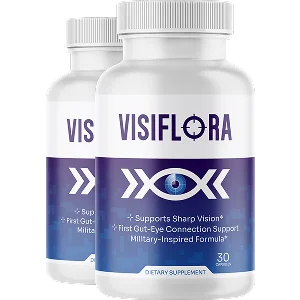
VisiFlora
Listed ingredients: Astaxanthin, Vitamin C, Vitamin E, Copper, Selenium, Chromium
TheyaVue
Listed ingredients: Lutein, Zeaxanthin, Vitamin C, Calcium, Vitamin E, Bilberry Extract
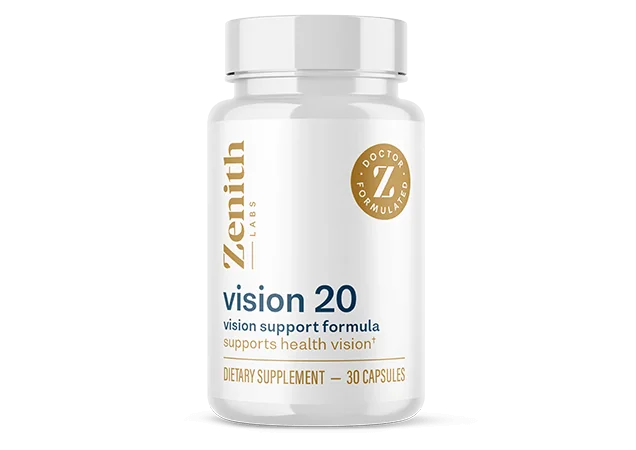
Vision 20
Listed ingredients: Lutein, Zeaxanthin, Zinc, Beta-carotene, Lycopene, Rose Hips
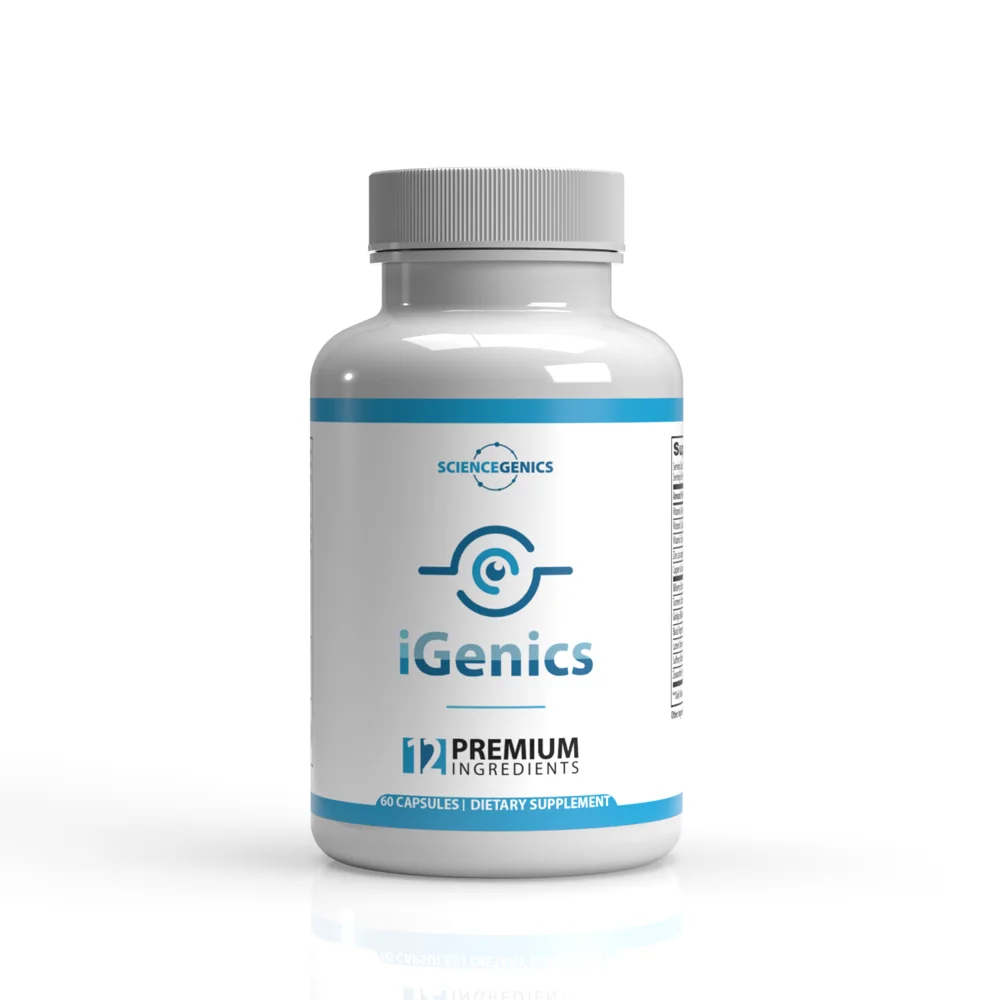
iGenics
Listed ingredients: Ginkgo biloba, AREDS-2 formula ingredients (not itemized), Bilberry, Saffron, Turmeric + BioPerine
Frequently asked questions
Are artificial tears enough for dry eyes?
They help many people with mild symptoms[2]. If drops are needed constantly or symptoms persist, an eye doctor can check the cause and discuss other options such as prescription drops or punctal plugs[1].
Do omega-3 supplements help dry eyes?
The DREAM trial found no clear benefit over placebo after 12 months in people with moderate to severe dry eye[4]. The NIH Office of Dietary Supplements describes the research as mixed[5]. Talk to your doctor before using high-dose supplements.
Can screen time cause dry eyes?
Screen use can reduce blinking, which may dry and tire the eyes[3]. Taking breaks, blinking fully and adjusting screen position may help[3].
When should I see an eye doctor for dry eyes?
See one if symptoms last more than a few days, keep returning, or affect daily life. Seek care quickly for severe pain, sudden vision changes, or a very red eye.
Sources
- National Eye Institute: Dry eye
- American Academy of Ophthalmology: What is dry eye?
- American Academy of Ophthalmology: Computers, digital devices and eye strain
- DREAM Study Group. N Engl J Med 2018: n-3 fatty acid supplementation for dry eye disease
- NIH Office of Dietary Supplements: Omega-3 fatty acids fact sheet